When we disinvest in learning, we disinvest in our capacity to respond
We had just finished a humanitarian simulation exercise at the UN Staff College learning campus in Brindisi, Italy.
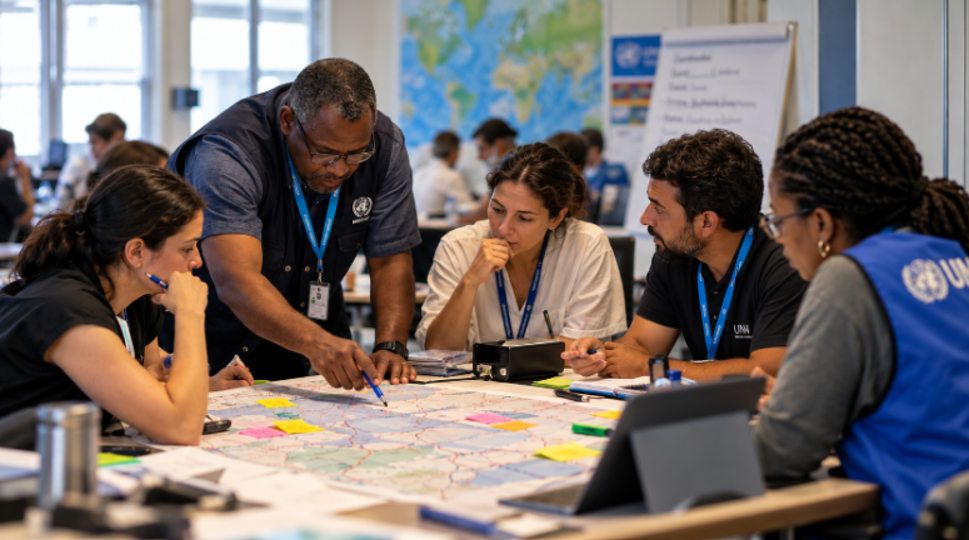
Thirty humanitarian professionals from around the world, bringing different areas of expertise, had spent several days working through a simulated emergency: making decisions under pressure, coordinating across teams and being assessed on their readiness to deploy.
Then the news came through. On 20 October 2017, the UN activated a system-wide Level 3 emergency response for the DRC.
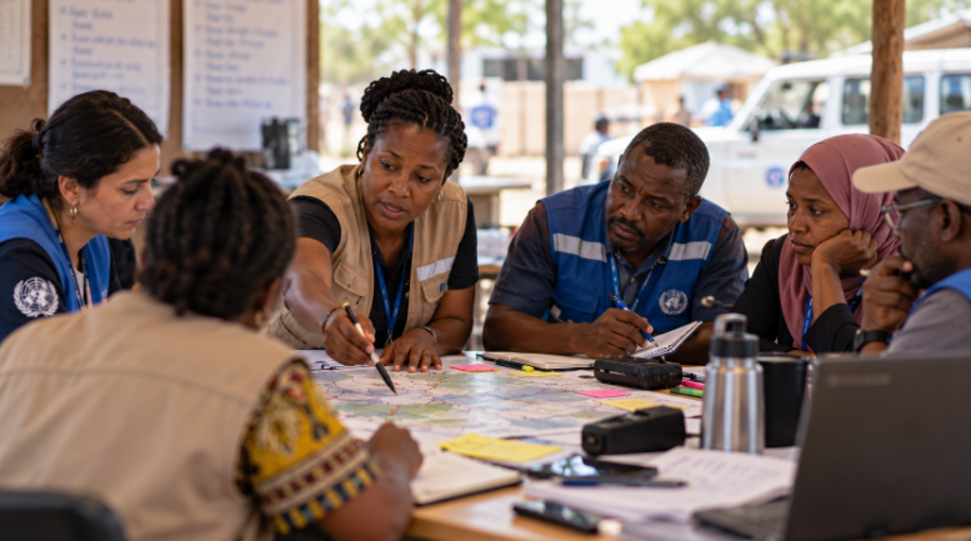
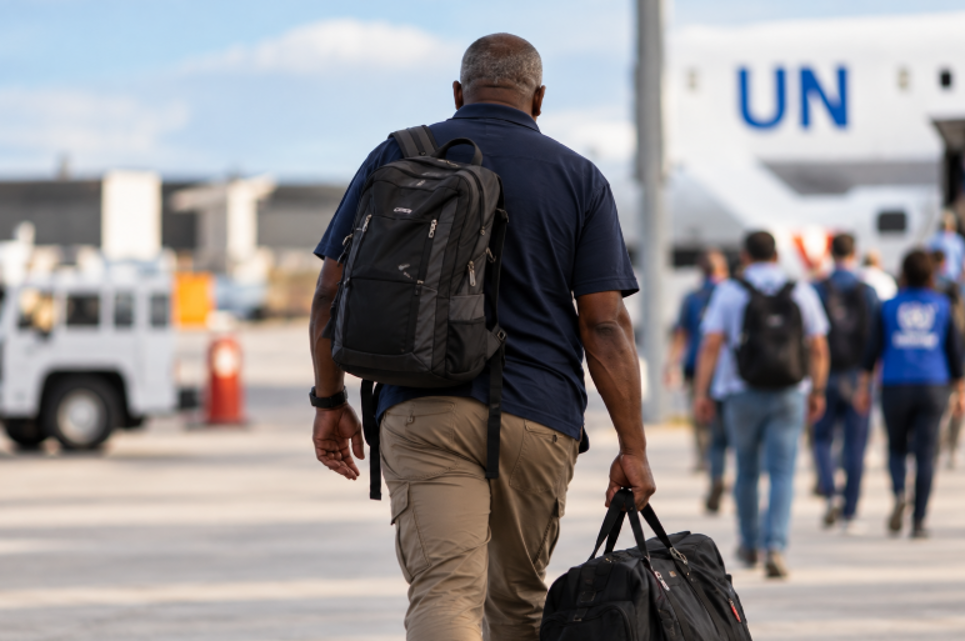
One of the participants, let’s call him Stephen - was an experienced SRH specialist who had just been assessed as ready to deploy as a Senior Emergency Coordinator. He didn't even make it home to New York. He went directly from Italy to the DRC, where he helped lead the response for the next three months.
That was the point of the exercise. It wasn't simply training. It was about knowing who was ready and who we had available when an emergency happened.
We saw the same thing
in Panama, where we were building a regional pool of people who could be
mobilised quickly. By the time most of us got home, Hurricane Irma was hitting
the Caribbean. Maria followed less than two weeks later. People we had prepared
and assessed in the workshop were mobilised from across the region.

A smaller system demands greater capability
Those experiences feel particularly relevant now. The humanitarian sector is facing difficult decisions about what it can afford.
Tom Fletcher has called for a humanitarian reset: a smaller, more efficient, less bureaucratic and more locally led system. But a smaller system places greater demands on the capability of the people who remain. It also makes it even more important that we are deliberate about where scarce learning resources are invested.
Preparedness is about people too
We need to think about humanitarian learning as an investment in preparedness, not as a separate L&D budget that can be cut without consequences.
We preposition supplies because waiting until an emergency happens is too late. We need to apply the same thinking to people.
That means connecting learning directly to workforce planning: knowing which capabilities we will need, where the gaps are, what we risk losing as the workforce contracts, and where those capabilities need to be built.
Brindisi was not accidental. We knew there was a shortage of French-speaking senior emergency coordinators and deliberately developed and assessed people against that need. In Panama, the focus was regional capacity in areas such as SRH and GBV. Learning was responding to an identified workforce need, not simply filling places on a course.
We cannot afford to be random about who we develop, which capabilities we invest in or where those capabilities sit.
Build capability closer to the response — and across the system
This becomes even more important if we are serious about localisation. National staff and local partners need more than access to training. They need opportunities to build experience, demonstrate readiness and progress.
A layered approach to workforce preparedness can build capability locally and nationally first, regionally where additional capacity is needed, and internationally where the required profiles cannot be met closer to the response.
But the Humanitarian Reset also asks us to think beyond individual organisations. A smaller system cannot afford every agency to maintain smaller versions of the same learning programmes, specialist pools and surge capacity. We need to understand what capability already exists across national staff, local partners, governments, regional organisations and other humanitarian agencies — and where we can develop and share capability across agencies rather than duplicate effort.
Before we cut learning, ask what capability we are losing
Organisations make difficult financial decisions, we should absolutely scrutinise how we invest in learning. But before cutting learning budgets, we should also ask what capability could be lost with them.
What will the next response require? What capability do we already have across the system? Where are the genuine gaps? Where could we invest together rather than separately? And when additional capacity is needed, how quickly can we identify and mobilise people who are already prepared?
A smaller humanitarian system cannot simply do less of the same. It needs to be much more deliberate about what capability we build, where we build it, and what we can build together.
Discussion
Join the conversation
Share a response, question or perspective on this insight.
Perspective / 5 min read
When we disinvest in learning, we disinvest in our capacity to respond
When an emergency hits, there is no time to start preparing people. Drawing on humanitarian simulations that led directly to deployment, this insight explores why cutting learning can weaken response capacity and why a smaller humanitarian system must invest deliberately in the skills it needs, closer to communities and across organisations.